The appeal is clear: brands can scale quickly using investor capital while keeping operational control, and investors can tap into proven business models without daily management. Yet prospective investors often struggle to understand how their capital is actually used, what control they retain (or lose), how returns are calculated, and what happens if they want to exit. Misaligned expectations or missed opportunities are common.
This guide breaks down how the FOCO model works from an investor's perspective—covering mechanics, investment structure, due diligence, and real-world applications.
Key Takeaways
- FOCO means you own the outlet/assets while the franchisor runs all operations
- Investment typically ranges from ₹10 lakhs to ₹2 crores depending on sector
- Franchisor handles staffing, inventory, and quality control, cutting your operational risk
- Common in F&B, retail, and mobility sectors such as EV rentals for gig workers
- Vet the franchisor’s track record and agreement terms before you commit
What Is the FOCO Model?
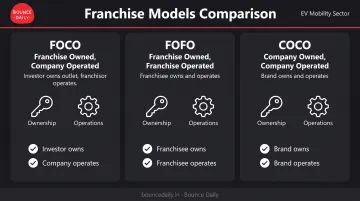
FOCO stands for Franchise Owned, Company Operated. As an investor, you provide the capital and own the business outlet or infrastructure. The franchisor retains complete operational control: staffing, inventory management, quality control, and daily execution.
Brands use FOCO to bring in external capital and expand into new markets without giving up operational consistency or brand standards. You get exposure to a proven model without needing operational expertise or daily involvement.
FOCO is not the same as these common structures:
- FOFO (Franchise Owned, Franchise Operated): you own the outlet and run operations yourself
- COCO (Company Owned, Company Operated): the brand owns and operates everything
The distinction that matters: ownership sits with you; operational control stays with the franchisor.
Investors typically choose FOCO for:
- Passive income without day-to-day management
- Access to established brand equity
- Lower operational risk, since the franchisor runs the outlet
- No need for prior franchise management experience
How Does the FOCO Model Work?
The FOCO model operates through a defined sequence: you provide capital upfront, the franchisor deploys operational systems, and both parties share revenue based on pre-agreed terms.
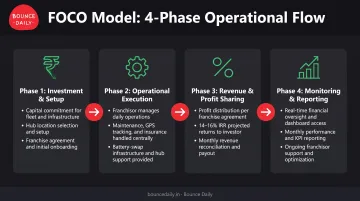
Investment and Setup Phase
The process begins when you commit capital to cover outlet setup, infrastructure, equipment, interiors, and initial working capital. The franchisor provides brand guidelines, site selection support, and setup specifications.
Your role during setup:
- Secure the location (lease or purchase)
- Fund the capital expenditure
- Ensure compliance with the franchisor's infrastructure requirements
The franchisor's role:
- Manage vendor coordination
- Execute interior design to brand standards
- Procure equipment and maintain brand consistency
For example, Momo Delights requires ₹10 lakhs total investment (₹7 lakhs setup + ₹3 lakhs franchise fee), with the partner providing commercial space.
Operational Execution Phase
Once operational, the franchisor takes complete charge of daily operations:
- Hiring and training staff
- Managing inventory and supply chain
- Implementing quality control processes
- Executing local marketing
- Ensuring adherence to brand standards
The franchisor's team runs the business as if it were a company-owned outlet, using standardized operating procedures, centralized procurement, and brand-trained personnel. You receive regular financial reports and profit share but do not interfere in operational decisions.
Investor benefits:
- Consistent quality through franchisor's operational control
- Reduced execution risk
- Passive income without franchise management expertise
- No daily involvement required
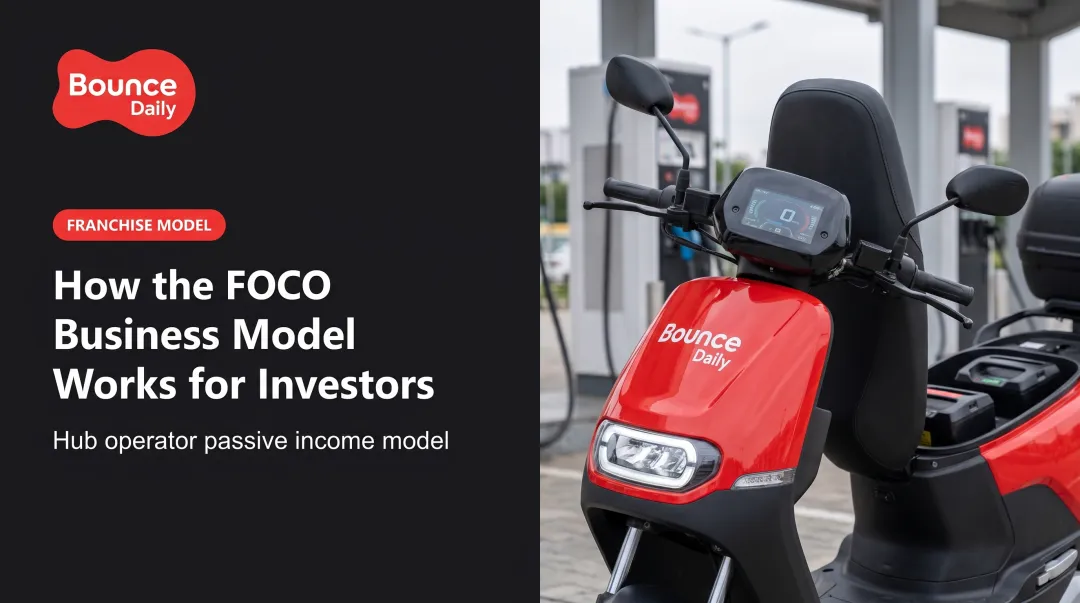
In Bounce Daily's FOCO hub-operator program, you provide capital and a suitable hub location. Bounce manages the rest:
- Fleet operations and maintenance
- GPS tracking and rider onboarding
- Lead generation, training, and marketing support
- Technology through Bounce FleetOS
Revenue and Profit Sharing
The franchisor collects gross revenue, deducts operational costs (salaries, utilities, inventory, marketing), and shares the remaining profit with you.
Payment mechanisms vary by brand:
- Monthly or quarterly profit distributions
- Minimum monthly payout guarantees (in some agreements)
- Purely revenue-linked splits (in others)
Momo Delights states investors receive 15% of total outlet revenue with no recurring royalty and no hidden charges. Bounce Daily advertises a 14-16% IRR for its hub-operator programme, though exact revenue-share terms are disclosed during onboarding.
Monitoring and Reporting
The franchisor provides periodic financial reports, often monthly, covering revenue, expenses, profit margins, and operational KPIs. You have visibility into performance but rely on the franchisor's systems for data accuracy.
Your oversight role:
- Audit financials under contractual rights
- Visit the outlet
- Review compliance with agreed standards
Day-to-day decision-making authority rests with the franchisor.
Investment Structure and Returns
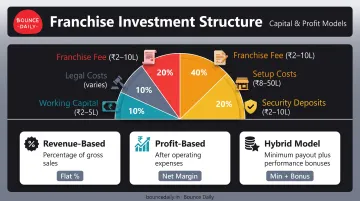
Initial FOCO investment typically covers several cost buckets:
Capital requirement breakdown:
- Franchise fee: ₹2-10 lakhs
- Outlet or hub setup (interiors, equipment, signage): ₹8-50 lakhs depending on sector
- Security deposits (rent, utilities): ₹2-10 lakhs
- Working capital buffer: ₹2-5 lakhs
- Legal and compliance costs: varies by state and brand
Profit-sharing structures commonly used:
- Revenue-based: Brand takes an agreed percentage of top-line sales
- Profit-based: Share calculated after agreed operating expenses
- Hybrid: Minimum monthly payout plus performance bonuses
The agreement should clearly define how "profit" is calculated and which costs sit above the share line.
Expected ROI timelines and breakeven:
Returns vary widely by brand and location:
- Statiq EV charging: about 25-30% annual return on capital, roughly 4-5 year breakeven
- Bounce Daily hub-operator program: advertised 14-16% IRR in EV scooter rentals
- Momo Delights: ROI projected from around six months, subject to sales performance
Actual outcomes still hinge on brand strength, site selection, market conditions, and how efficiently the franchisor runs day-to-day operations.
Exit options and liquidity:
Most franchise agreements spell out:
- Lock-in periods before you can exit
- Transfer rules if you sell to a third party
- Buyback clauses (whether the franchisor will repurchase)
- Exit penalties and notice requirements
Momo Delights, for example, advertises a 100% investment buyback after two years, subject to terms. Limited liquidity remains a core risk, so treat FOCO as a medium- to long-term commitment.
Where FOCO Is Used
FOCO thrives in sectors with standardized operations, strong brand equity, and centralized supply chains:
Key sectors:
- Food & beverage (quick-service restaurants, cloud kitchens, cafes)
- Retail (eyewear, fashion, electronics)
- Services (gyms, salons)
- Emerging mobility (EV rentals for gig workers, bike-sharing)
Conditions where FOCO performs best:
- High-footfall urban locations
- Markets with strong brand recognition
- Sectors requiring operational consistency and quality control (food safety, customer experience)
- Businesses where economies of scale benefit from centralized management (bulk procurement, logistics, marketing)
Real-world examples:
| Brand | Sector | Investment | Franchisor Role | Investor Returns |
|---|---|---|---|---|
| Momo Delights | F&B | ₹10 lakhs | Builds and operates outlet; handles staffing, kitchen, procurement, training, quality | 15% of outlet revenue; no recurring royalty |
| Statiq | EV charging | ₹30 lakhs+ | Procurement, installation, operations, support, settlement | Indicative 25-30% annual return; 4-5 year breakeven |
| Bounce Daily | Mobility hub | Disclosed during onboarding | Fleet operations, maintenance, tracking, rider onboarding, training, marketing | 14-16% IRR advertised |
One mobility example is Bounce Daily. It runs FOCO-style hubs in Bengaluru and plans expansion across Indian cities.
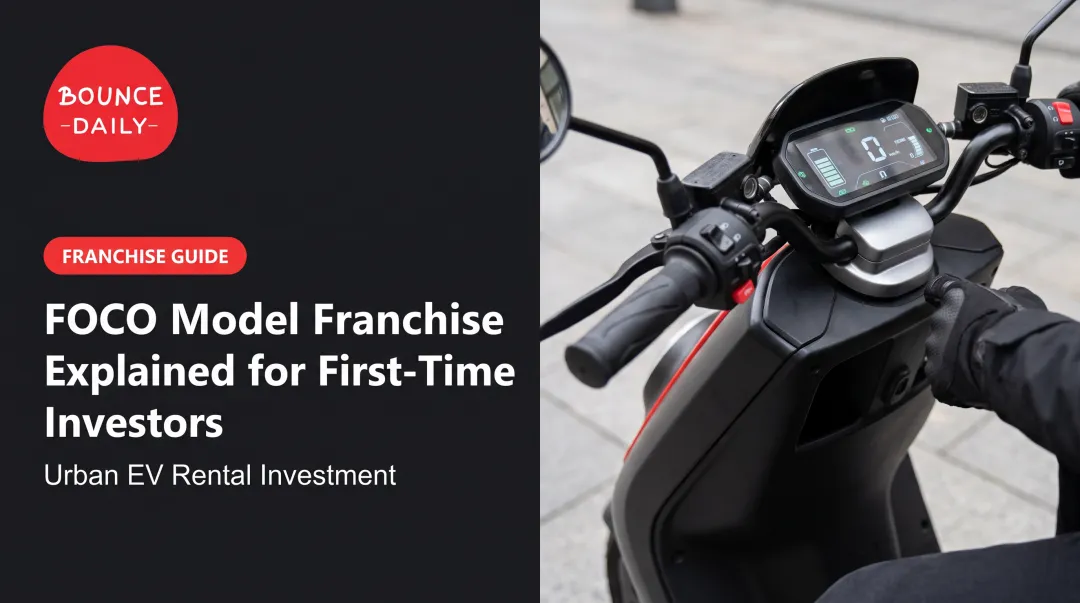
Investors fund the hub; Bounce runs fleet operations for gig delivery riders (Swiggy, Zomato, Blinkit, and similar platforms), college students, and daily commuters on app-based High Speed and Low Speed EV scooters.
Evaluating FOCO Opportunities as an Investor
Before you commit capital, pressure-test any FOCO brand on four fronts: operations track record, agreement terms, location economics, and ongoing support.
Assess the Franchisor's Operational Capability and Track Record
Dig into the franchisor's live network and systems maturity:
- Number of FOCO outlets currently operating
- Average outlet profitability
- Franchise partner retention rate
- Strength of inventory management, staff training, and quality control
Request references from existing investors and visit operational outlets to gauge consistency first-hand.
Evaluate the Franchise Agreement Terms Carefully
Scrutinize:
- Profit-sharing formulas
- Operational cost definitions (outlet-charged expenses vs. franchisor-absorbed costs)
- Reporting frequency and transparency
- Decision-making authority (pricing, promotions, hiring)
- Dispute resolution mechanisms
Engage a legal adviser to review the agreement before signing. India has no specific pre-sale franchise disclosure obligation, so due diligence rests on you.
Analyse Location and Market Potential
Even with strong operational systems, location drives revenue. Assess:
- Foot traffic and accessibility
- Competitive density in the catchment
- Proximity to target customers
- Local demand indicators
The franchisor should provide site selection criteria and market feasibility analysis. Validate both independently.
Understand the Franchisor's Support Infrastructure
Confirm what ongoing support is included:
- Marketing and training
- Supply chain management
- Technology systems
- Troubleshooting response
Brands with dedicated franchise support teams, centralised procurement, and established vendor networks typically deliver stronger investor outcomes than ad-hoc operators.
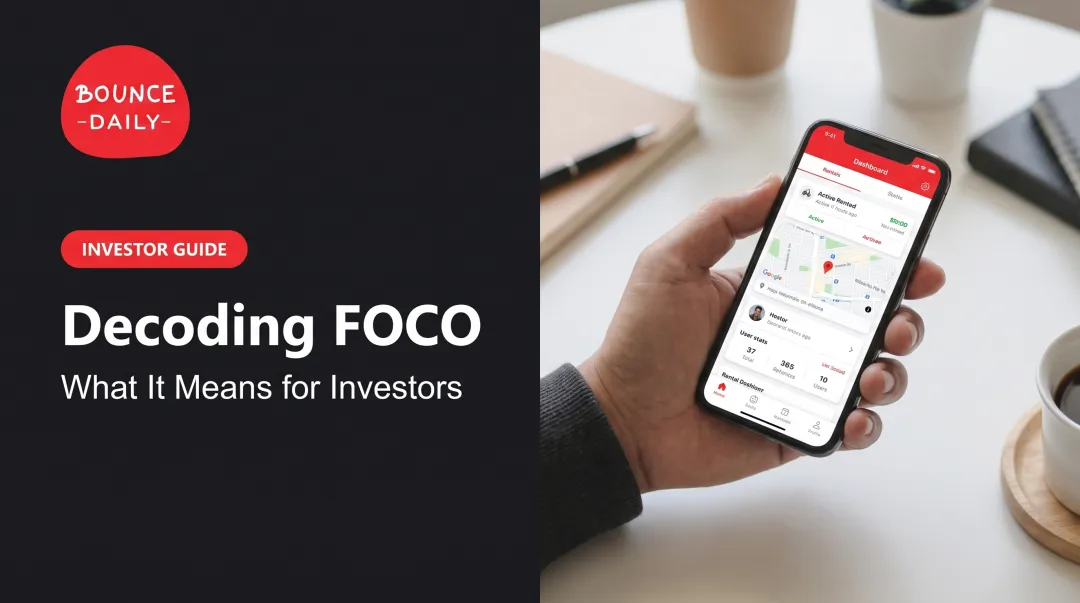
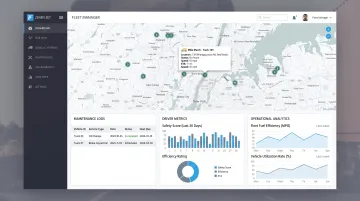
Bounce Daily's FleetOS is one example: it manages vehicles, riders, KYC, dues, cohorts, and hubs through a central console, with GPS tracking, maintenance logging, battery health, and rental-plan status layered on top. That stack supports a network that has driven 30M+ kilometres to date.
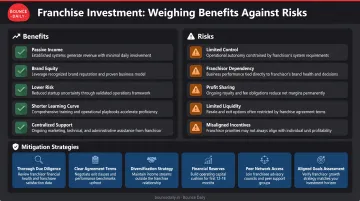
Benefits and Risks for Investors
FOCO suits investors who want brand-backed returns without running daily operations. Weigh the upside against the constraints below before you commit capital.
Benefits
- Passive income potential without operational involvement
- Established brand equity and customer trust working in your favour
- Lower execution risk through the franchisor's proven systems
- Shorter learning curve than launching an independent business
- Centralized procurement and marketing most independent operators cannot match
Risks
- Limited operational control and decision-making authority
- Dependency on the franchisor's performance and integrity
- Profit-sharing that can cut total returns versus full ownership
- Limited liquidity and fewer exit options
- Misaligned incentives if the franchisor prioritises network growth over individual unit profitability
Risk Mitigation Strategies
- Run due diligence on the franchisor's financial health and operating track record
- Negotiate clear performance metrics and reporting requirements into the agreement
- Diversify across multiple units or brands if capital allows
- Stay in regular contact with other franchise partners to spot issues early
- Keep contingency buffers for periods of underperformance
- Request documentary evidence on unit economics, cost allocation, reporting, and exit terms before you invest
Conclusion
The FOCO model separates capital ownership (investor) from operational control (franchisor). Brands can expand faster, while investors earn passive returns from proven business systems.
Investors who understand the operational mechanics, profit structures, and risk factors can pick FOCO opportunities that match their capital, return targets, and risk tolerance. Due diligence on the franchisor’s capabilities and track record is still the most important success factor.
Before you commit capital, verify:
- Outlet count and unit profitability
- Franchisee retention rates
- Litigation history
- Company capacity to support new outlets
- References from current and former FOCO investors
Frequently Asked Questions
Is the FOCO model good?
It suits investors who want passive income from established brands without running day-to-day operations. Success still depends on franchisor quality, realistic return expectations, and accepting limited control and liquidity.
What is the profit margin of a FOCO model franchise?
Margins vary by brand, sector, and location. Published figures include Momo Delights at 15% of revenue, Statiq at an indicative 25–30% annual return, and Bounce Daily at 14–16% IRR. Always ask for historical results from existing partners before you commit.
How is the FOCO model different from FOFO?
In FOCO, the franchisor operates the business whilst you provide capital and own the outlet. In FOFO (Franchise Owned, Franchise Operated), you both own and operate the business, requiring active management and operational expertise.
What is the typical investment range for a FOCO franchise in India?
FOCO investments typically range from ₹10 lakhs (small format outlets, cloud kitchens) to ₹2 crores (large retail or high-capital sectors), with exact amounts depending on brand, sector, location, and outlet size.
How long does it take to break even on a FOCO investment?
Timelines are brand-specific—from about six months (e.g. Momo Delights) to roughly 4–5 years (e.g. Statiq). Location, market conditions, and operations all affect the outcome, so use historical data and conservative projections.
Can I sell my FOCO franchise investment before the contract ends?
Exits depend on your agreement—transfer rules, lock-ins, buybacks, and franchisor approval. Some brands (e.g. Momo Delights) advertise a 100% buyback after two years, subject to terms; treat limited liquidity as a core risk and plan for a medium- to long-term hold.